Although common in captivity, axolotls are considered critically endangered in the wild. Native only to the Lake Xochimilco area near Mexico City, wild populations of axolotls are plummeting due to pollution, urbanization-related habitat loss, and invasive fish.
Although common in captivity, axolotls are considered critically endangered in the wild. Native only to the Lake Xochimilco area near Mexico City, wild populations of axolotls are plummeting due to pollution, urbanization-related habitat loss, and invasive fish.
Although common in captivity, axolotls are considered critically endangered in the wild. Native only to the Lake Xochimilco area near Mexico City, wild populations of axolotls are plummeting due to pollution, urbanization-related habitat loss, and invasive fish.
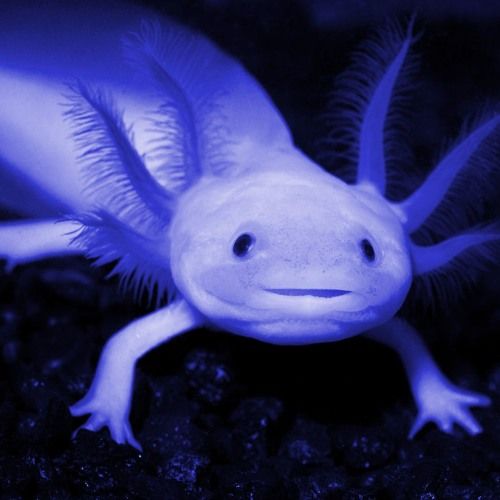 Although common in captivity, axolotls are considered critically endangered in the wild. Native only to the Lake Xochimilco area near Mexico City, wild populations of axolotls are plummeting due to pollution, urbanization-related habitat loss, and invasive fish.